Categories
Fibroids

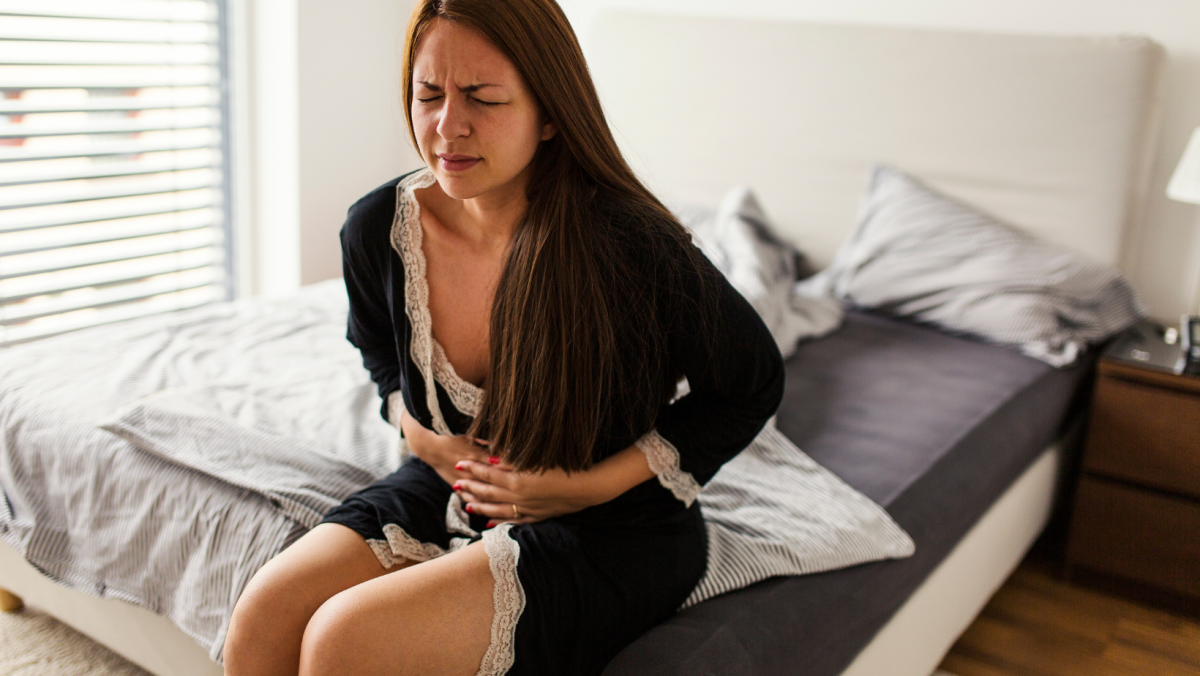
Cramping and Acute Fibroid Pain

If you are diagnosed with uterine fibroids and are experiencing cramping and acute fibroid pain, it could be due to fibroid degeneration.

What is fibroid degeneration, you ask?

Fibroid degeneration is a process that occurs when fibroids start to die off and break down.

And, why would this happen?

Fibroid degeneration is due to uterine fibroids being unable to get the steady supply of blood and nutrients that they need in order to survive. Degeneration is commonly seen in large fibroids as they need more blood than smaller fibroids.

As a result of not having enough blood and nutrients, fibroids will begin to degenerate, and thereby shrink down to a size that the current blood supply can support.

So it’s that a good thing? Don’t we want our fibroids to shrink?

Yes, however, when this happens, it is not permanent.

In fact, it is likely that the fibroid will re-grow and expand, and the whole process of growth and degeneration will begin again. And, with that, so will the experience of painful cramping and other symptoms such as:

Acute stabbing pain — This is perhaps the most common symptom of fibroid degeneration and includes localized sharp and stabbing pains in the abdomen. The stabbing pains are caused by a release of chemicals from the fibroids as the cells die and are accompanied by swelling.

Fever — As a result of fibroid degeneration, many women experience a low-grade fever, which is defined as a body temperature between 100.4 and 102.2 degrees Fahrenheit.

Bleeding — In rare cases, fibroid degeneration may cause hemorrhaging or bleeding. This can occur during your normal menstrual cycle or between periods and is a telltale sign of fibroids.

Chronic pain — Lasting pelvic pain and other chronic pain that isn’t too severe but never seems to go away is also a sign of fibroid degeneration.

The pain caused by uterine fibroid degeneration can last anywhere from just a few days to several weeks. Though some of the pain can be treated with over-the-counter pain medicine, these medications are not a permanent solution and can come with risks and complications of their own.

In our next article, we will take a further look at fibroid degeneration, and also dive into some of the treatment options available for those suffering from this type of pain.


Categories
Fibroids

Excessive Cramping and Pelvic Discomfort

One of the most common symptoms associated with uterine fibroids is excessive cramping and pelvic discomfort.

Unlike menstrual cramps, which are caused by the contracting uterus as it pushes out the endometrium during a monthly period, fibroid cramps can exist outside of the average 5-7 days that menstruation lasts.

In fact, for women with uterine fibroids, not only do these cramps occur outside of the menstruation period, but they can be rather severe. And, unfortunately, if the fibroids are left untreated, these symptoms are likely to get worse and include several others as well.

Fibroids can range in size and location. They also vary in terms of how many each woman has. Some women may have a single fibroid while others could have multiple fibroids.

When it comes to the symptoms directly related to uterine fibroids- the location, size, and number of fibroids can play a role in the specific symptoms experienced and their severity.

For example, women with large fibroids have reported that they feel a heaviness or pressure in their lower abdomen or pelvis. Not only is this uncomfortable, but it can also make it hard to lie down, bend over, or exercise.

Though all fibroids can contribute to pelvic pain and cramping, more often than not, these symptoms are experienced as a result of having intramural fibroids.

Intramural fibroids grow inside the muscular wall of the uterus. As intramural fibroids grow larger, they increase the likelihood of more severe symptoms that can have a direct impact on one’s quality of life.

The other types of fibroids can also cause cramping and pelvic discomfort. These types are called: submucosal, subserosal, and pedunculated fibroids.

Submucosal fibroids grow into the uterine cavity, while subserosal fibroids grow toward the outside of the uterus. Pedunculated fibroids are those that are not directly attached to the uterus and grow from a stem-like stalk.

Cramping and discomfort caused by submucosal fibroids are usually caused by the uterus trying to rid itself of them.

Unlike the contractions that happen every month in order to shed the endometrium, painful contractions caused by submucosal fibroids can happen at any time during a menstrual cycle.

No matter what type of fibroid is causing your uncomfortable symptoms- there is treatment available.

If you think you are experiencing moderate to severe cramping outside of your monthly period, or even if it’s severe during your period- it’s important to seek out treatment right away.

Though most causes of pelvic pain and cramping are treatable, if you do not address the issue it is likely that your symptoms and the underlying condition will get worse.

If the cause of the cramping is indeed fibroids, there are many treatment options available such as medication, surgery, or uterine fibroid embolization.

UFE is a non-invasive outpatient procedure that can relieve the painful cramping and other frustrating symptoms caused by uterine fibroids.

To learn more about UFE and to find out if it could benefit you, please call our office today.

Categories
Fibroids

It’s Time to Take Action

If you have decided it’s time to take action against the heavy bleeding, pelvic pressure, urinary issues, and sexual problems that are common symptoms of uterine fibroids- Congratulations!

And, if you’ve chosen to treat the fibroid condition through a non-invasive procedure, Uterine Fibroid Embolization- Double those congratulations!

As you’ve chosen a treatment procedure that has a success rate of over 90%, with the vast majority of women reporting not only an alleviation of symptoms but a significant improvement in their quality of life.

Gone are the days of heavy bleeding, pressure, pain, and missing out on activities due to these and other symptoms of fibroids.

The process of experiencing relief from fibroid symptoms post UFE takes time, but not nearly as much time as other procedures to remove uterine fibroids such as a hysterectomy or a myomectomy, which can have a recovery time of several weeks and even months. Whereas the minimally invasive procedure of Uterine Fibroid Embolization allows for a much faster healing process and must faster result.

It is not uncommon for women to experience almost immediate relief after the procedure. In fact, many women have reported that they noticed that their first menstrual cycle following the procedure didn’t include severe pain or heavy bleeding. While for others it may take a little more time for all of these symptoms to resolve themselves.

The time it takes for the elimination of uterine fibroids symptoms, really comes down to how quickly the body responds to the UFE treatment, as well as the size of the fibroid or multiple fibroids.

The procedure itself begins with the insertion of a tiny catheter into the groin or wrist. Then, with the help of moving X-ray technology (fluoroscopy), the radiologist will then guide the catheter through the blood vessels until it reaches the artery that supplies blood to the fibroids.

Once the catheter reaches the artery that supplies blood to the fibroids, tiny gelatin beads are released through it, which travel into the artery, creating a blockage. This blockage cuts off the blood supply to the fibroids. And, without the fibroids being able to receive vital nutrients through the blood, they cannot survive and they begin to shrink.

So how long does it take for the fibroids to shrink?

Amazingly, uterine fibroids can begin to shrink immediately following the Uterine Fibroid Embolization procedure and will continue to shrink throughout the next year.

The majority of fibroid shrinkage usually takes place in the first six months following the procedure. However, it can take up to a year for the fibroids to shrink to their fullest capacity, with most women experiencing significant relief from their symptoms during this time.

Usually, patients will return to their radiologist for a follow-up appointment around two months after the procedure to access the amount of shrinkage of the fibroids.

You may be wondering:  How can you tell if the procedure was effective and the fibroids are shrinking?

Good question.

Though many women note improvement in their bleeding symptoms immediately following the procedure, it can take up to 3 months for fibroids to shrink enough for women to notice major symptom improvements.

Therefore, one of the best ways to track the progress of the fibroids shrinking is by paying attention to your symptoms both before and after Uterine Fibroid Embolization.

In fact, it can be very helpful to keep a journal or a list of symptoms and rank the severity of these symptoms with 1 being barely noticeable and 10 being the most severe.

Then following the procedure, continue to keep track of the changes happening.

Some of the symptoms you may be keeping track of could be:

• Unusually heavy period
• Long than normal periods
• Bleeding in between periods
• Pressure and pain in the pelvis
• Frequent urination
• Lower back pain
• Pain during intercourse

By keeping track of the severity of these symptoms before and after UFE you may be surprised by how quickly these changes are happening, as you watch your symptoms continue to improve over the next six to twelve weeks.

To learn more about Uterine Fibroid Embolization and to find out if this procedure could help you, please give us a call today at MidAtlantic Vascular and Interventional, and set up your initial consolation.

In our next article, we will take a look at what the research says regarding the effectiveness of Uterine Fibroids Embolization in shrinking fibroids and eliminating symptoms.


Categories
Fibroids

Medical Advancements in Fibroid Treatment

Fortunately for the estimated 26 million women in the United States that have uterine fibroids, huge medical advancements have been made that allow for a variety of treatment methods. These range from medication to hormone therapy, as well as both invasive and non-invasive surgical procedures to remove the fibroids completely.

Here at MidAtlantic Vascular and Interventional, we specialize in the removable of uterine fibroids, through an advanced medical procedure called Uterine Fibroid Embolization.

Unlike medications, which primarily treat the symptoms of fibroids, Uterine Fibroid Embolization, focuses on treating the condition by removing the fibroids themselves.

So what is Uterine Fibroid Embolization? And how does it work?

Good question and we are happy to answer that. But first, let’s take a quick look at what a uterine fibroid is.

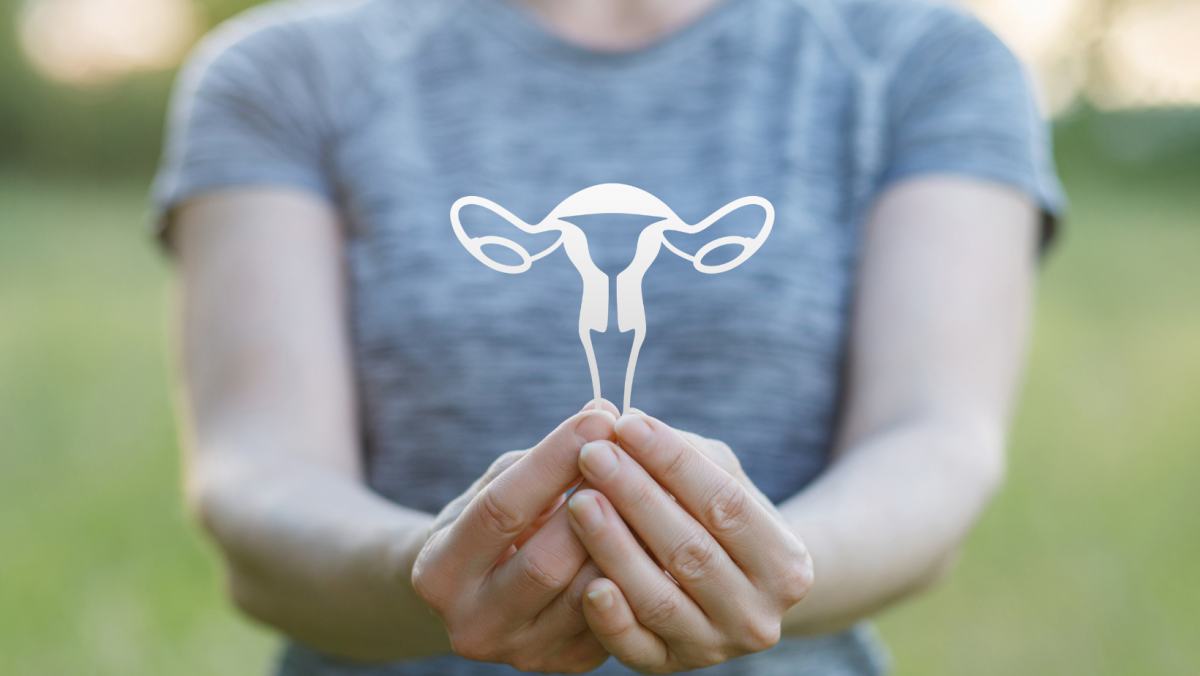
Uterine fibroids are noncancerous growths of the uterus that often appear during a woman’s childbearing years. These growths are made of smooth muscle cells and fibrous connective tissue. Sometimes fibroids are solitary, but it is also common to have multiple ones.

Uterine fibroids range in size. Some are so tiny that they are undetectable by the human eye alone. While others can be large enough to distort and enlarge the uterus.

How can I tell if I have a fibroid?

When a woman has a fibroid, it is most often discovered during a routine pelvic exam or imaging procedures performed for other reasons. If the fibroid or fibroids do not cause any symptoms, pain, or discomfort, and are not affecting fertility- then they usually do not require treatment. However, when symptoms are present, these can be managed with medications, surgery, and by using minimally invasive techniques.

Some of the symptoms associated with fibroids are:

• Unusually heavy period
• Long than normal periods
• Bleeding in between periods
• Pressure and pain in the pelvis
• Frequent urination
• Lower back pain
• Pain during intercourse
• Difficulty conceiving

Ok, so back to the original question: What is Uterine Fibroid Embolization?

Uterine Fibroid Embolization is a non-invasive procedure to remove uterine fibroids. Rather than requiring general anesthesia, the procedure uses conscious sedation ( an IV of a light sedative) to help you to relax and remain pain-free during the UFE procedure.

Once the sedating medicine has been administered, our expert radiologist will begin the procedure.

The UFE procedure commences with our expert Interventional Radiologist, Dr. Rishi Sood, making a teeny tiny nick in the skin (about the size of the tip of a pencil). He will then thread a tiny 2mm catheter through the groin or wrist. Using moving X-ray technology (fluoroscopy), Dr. Rishi will then guide the catheter through the blood vessels until it reaches the artery that supplies blood to the fibroids.

Once the catheter reaches the artery that supplies blood to the fibroids, tiny gelatin beads are released through it, which travel into the artery, creating a blockage. This blockage cuts off the blood supply to the fibroids. And, without the fibroids being able to receive vital nutrients through the blood, they can not survive.

A blockage? Isn’t that dangerous?

No, in this case, it is not. Unlike a blockage to the heart or other vital organs, this particular blockage is only cutting off the blood supply to the fibroid. The results are remarkable, for, without the fibroids being able to receive vital nutrients through the blood, they shrink until they are altogether eliminated.

Does this sound too good to be true?

Maybe, but rest assured it is not. In fact, according to the New England Journal of Medicine, the success rate of uterine fibroid embolization is estimated to be upwards of 95%.

This is great news to the millions of women that are suffering from the pain and discomfort that comes with having uterine fibroids.

In our next article, we will take a look at what you can expect during the UFE procedure. What does it feel like? How long does it take? And what does the recovery period look like?

In the meantime, for more information on Uterine Fibroid Embolization, or to make an appointment for your consultation, please reach out to us at 301-622-5360.

Categories
Fibroids

Recovery Time of Fibroid Treatment

When it comes to the different procedures that can remove uterine fibroids, the recovery time of each method is something to keep in mind.

Some surgeries like a hysterectomy will require a few nights of hospitalization following the procedure, and take several weeks or even months of rest in order to fully recover.

Other fibroid removal procedures like Uterine Fibroid Embolization, which we specialize in here at MidAtlantic Vascular and Interventional, can be performed as an outpatient procedure, allowing for the patient to go home the same day. Not only that, but most women find they can resume their normal activities in a few days.

Really?

Yes! The average recovery period from Uterine Fibroid Embolization is about 1-2 weeks!

Though UFE is a ground-breaking non-invasive treatment that is efficient, effective, and has a much shorter recovery period- some women are still opting to have their fibroids removed through the surgical procedures of a hysterectomy or a myomectomy. The reason for this, in some cases, is that many women are unaware of the other options available, and therefore are still opting to have a more invasive procedure. Therefore a myomectomy still remains one of the most common treatment methods for removing fibroids.

As we’ve covered in previous articles about the surgical removal of fibroids, a myomectomy is a surgical procedure that removes uterine fibroids while keeping the uterus intact and is a treatment option for women who wish to have children after the fibroids are removed, or who wish to keep their uterus for other reasons.

There are three main types of myomectomies: laparoscopic myomectomy, abdominal myomectomy, and hysteroscopic myomectomy.

Today let’s take a look at the expected length of recovery following each type of myomectomy.

The first approach is a standard open surgery, while the second and third options are less invasive.

1. Laparotomy, also known as an Abdominal Myomectomy:

A laparotomic myomectomy is performed as open surgery, by way of an abdominal incision.

A laparotomic myomectomy is usually necessary when there are several very large fibroids that are located in a difficult area of the uterus to reach using other surgical methods. It is also oftentimes the best approach to removing intramural fibroids, which are fibroids that are located primarily within the width of the uterus.

Recovery Period:

Though effective, due to its invasiveness, a laparotomic myomectomy has a higher risk for blood loss and scarring and involves the longest recovery period among the different types of myomectomies.

An abdominal myomectomy is usually followed by a 2-3 day hospital stay. Once back at home, the average post-surgical recovery period is around 6 weeks, which includes avoiding exercises, such as biking, jogging, and aerobic exercise. It also requires complete abstinence from lifting anything that could cause strain on the body.

During the recovery period, most women will need to take at least 2-3 weeks off from work so that they can rest and recover, depending on the type of work that they do and how they feel during the weeks following the procedure.

2. Laparoscopy:

During a laparoscopic myomectomy, the surgeon will make four incisions of about a half-inch each into the lower abdomen. Through these, a laparoscope and other small instruments are inserted into the uterus to remove uterine fibroids.

A laparoscopic myomectomy is most appropriate for fibroids located on the outer layer of the uterus, known as the serosa. Known as subserosal fibroids, this particular type of fibroid grows toward the outside of the uterus. And, similar to an abdominal myomectomy this method of fibroid removal requires general anesthesia.

Recovery Period:

Though a laparoscopic myomectomy is less invasive than an abdominal myomectomy, the amount of time it takes to recover post-op is still significant.

A laparoscopic myomectomy operation is usually followed by at least one night in the hospital. After that, the general restrictions are the same as those after an abdominal myomectomy, however, most women find they can resume some normal activities within about 4 weeks.

3. Hysteroscopy:

During a hysteroscopic myomectomy, fibroids are removed using a surgical instrument called a hysteroscopic resectoscope which is inserted through the vagina and cervix and into the uterus. Then, a wire loop is used to shave off and thereby remove the fibroids.

A hysteroscopic myomectomy is typically the most appropriate type of myomectomy for fibroids that bulge into the uterus, called submucosal fibroids.

Recovery Period:

A hysteroscopic myomectomy involves general or local anesthesia and most women are able to go home the same day as the procedure, following a few hours of observation. However, in rare cases, a night of recovery in the hospital can be necessary.

The Bottom Line:

A hysterectomy and any type of myomectomy procedure to remove uterine fibroids will result in a longer period of post-op recovery, especially when compared to a non-invasive procedure like Uterine Fibroid Embolization.

In some cases, the recovery may take a few weeks, in other cases, it could take months. In fact, some women might experience less post-surgery pain than others, while some may need to take prescription pain relievers and limit their activities for quite some time. However, regardless of the rate of recovery, all women will experience a period of recovery and will need to take certain precautions and adhere to the restrictions set forth by their doctor, to have the safest, shortest, recovery period possible.

In our next article, we will take a look at the recovery time of the fibroid removal procedure, Uterine Fibroid Embolization, which we specialize in here at MidAtlantic Vascular and Interventional.

Unlike a myomectomy, UFE addresses and eliminates all types of uterine fibroids, allowing for a fully functional uterus post-surgery, without risks and complications from fibroid surgery. UFE has a recovery time of about a week allowing a woman to quickly return to their normal daily life.

To learn more about UFE and to set up a consultation, please call us today.


Categories
Fibroids

Short or Long Recovery

When it comes to procedures to remove fibroids, some result in shorter recovery periods than others.

Uterine Fibroid Embolization, which we specialize in here at MidAtlantic Vascular and Interventional, has a recovery period of about 1-2 weeks, with most women finding they can resume their normal activities after a few days. This is remarkable considering that most fibroid removal procedures are done surgically with a post-operation recovery period of several weeks or even months.

Not only that, but these surgeries such as a hysterectomy or a myomectomy, often require a few nights in the hospital following the procedure. This is not the case with Uterine Fibroid Embolization.

In order to get a better understanding of how groundbreaking UFE is as an outpatient fibroid removal procedure with a much shorter recovery period, we’re going to take a look at what can be expected following another common fibroid removal procedure: a myomectomy.

When it comes to the recovery period after electing to remove uterine fibroids through a major surgery such as a myomectomy, the recovery timeline varies. Unlike a hysterectomy, which can take weeks and even months to recover from and requires a hospital stay following the procedure, a myomectomy recovery depends on the severity of the fibroids and the approach taken to remove them while keeping the uterus intact.

As we’ve covered in previous articles about the surgical removal of fibroids, a myomectomy is a surgical procedure that removes uterine fibroids while keeping the uterus intact and is a treatment option for women who wish to have children after the fibroids are removed, or who wish to keep their uterus for other reasons.

As a quick recap- let’s take a look at the three main types of myomectomies, which are: laparoscopic myomectomy, abdominal myomectomy, and hysteroscopic myomectomy.

Abdominal Myomectomy

This is the most invasive method of performing a myomectomy and involved the administration of general anesthesia. During this procedure, the doctor will make an incision that starts at the lower abdomen and reaches the uterus. Then, using this incision, the doctor will remove the fibroids and then proceed to close the wound with stitches.

Laparoscopic Myomectomy

Similar to an abdominal myomectomy, though less invasive, this procedure also requires the use of general anesthesia. After making several small cuts in the lower abdomen, the stomach is filled with carbon dioxide gas in order to provide the doctor with a better look inside the abdomen. The doctor will then insert a thin lighted tube with a camera on top, called a laparoscope. Then, using special tools, the fibroids are removed, the gas is released, and the incisions are stitched up.

Hysteroscopic Myomectomy

This is the least invasive of the myomectomies and may use general or local anesthesia. It begins with the doctor putting a liquid inside of the uterus in order to make it widen, and therefore make the fibroids more visible. Then, using a lighted scope and a wire loop, which are entered through the vagina and cervix, the fibroids are shaved off of the uterus. Once finished removing the fibroids, the liquid is also removed, which gets rid of any fibroid fragments that remain.

Since a hysteroscopic myomectomy doesn’t involve any external incisions, the recovery time is much shorter than the other types of myomectomies.  And in general, women who have a hysteroscopic myomectomy generally experience fewer complications, while also experiencing a shorter recovery time than that of the other types of myomectomies. However, regardless of the type of myomectomy, it will still take a few weeks for the body to heal.

In our next article, we are going to look at exactly what is to be expected following a myomectomy in regards to the recovery time, so as to compare it to the recovery time that is to be expected following the non-invasive fibroid removal procedure, Uterine Fibroid Embolization. 

To learn more about Uterine Fibroid Embolization as a treatment for uterine fibroids, please call us today to set up a consultation. A myomectomy or a hysterectomy is not the only option. So call us today to find out more.