
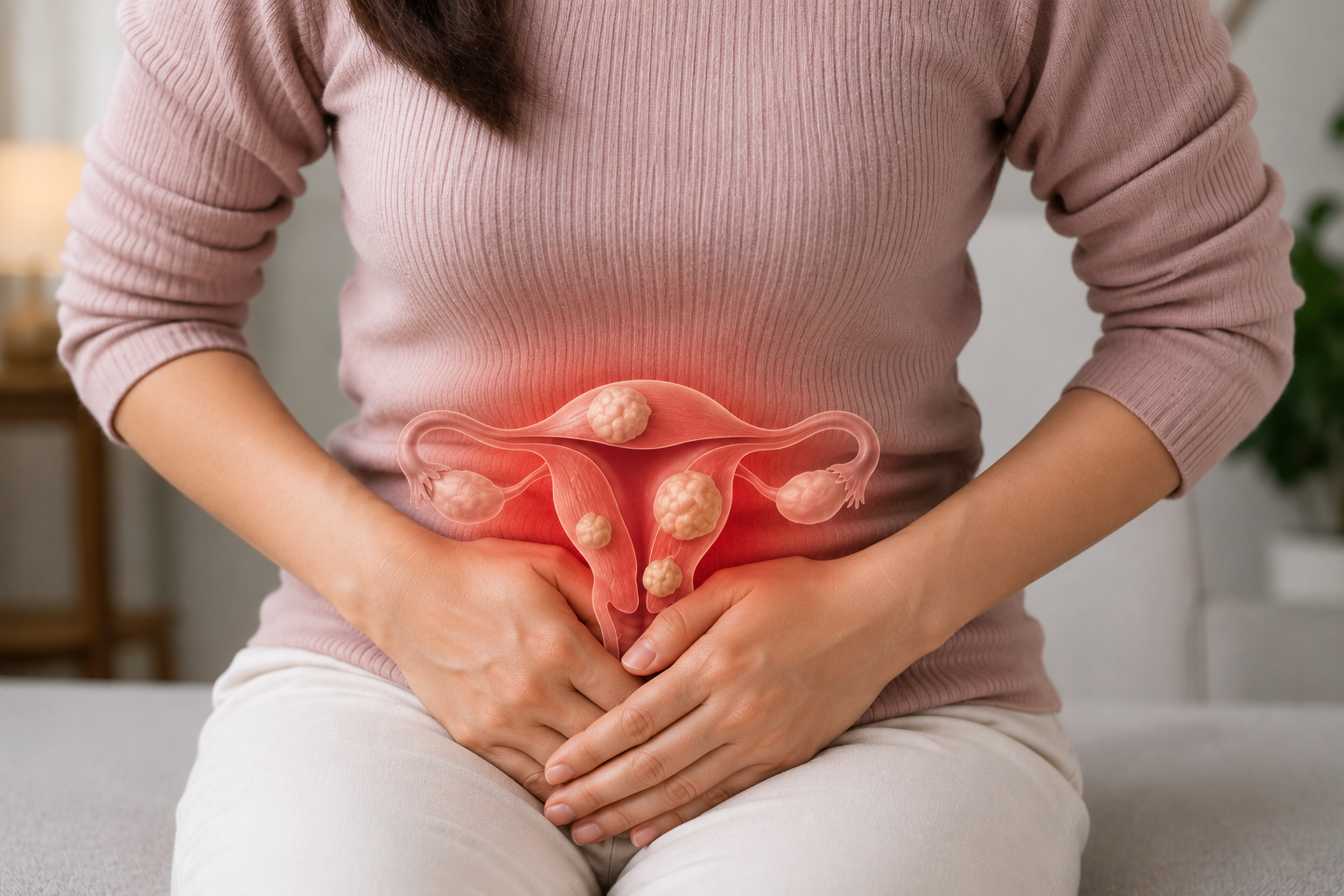
Fibroid relief without putting life on hold.
Noncancerous growths that develop within the uterus and are common in women during their reproductive years. Fibroids can vary in size and may cause heavy menstrual bleeding, pelvic pain or pressure, bloating, frequent urination, or discomfort during daily activities.
Services we offer:
UFE (Uterine Fibroid Embolization): Treat Fibroids Without Hysterectomy
Uterine fibroids are noncancerous growths that can cause heavy or prolonged menstrual bleeding, anemia, pelvic pain or pressure, abdominal enlargement, frequent urination, constipation, and discomfort during intercourse.
Dr. Rishi R. Sood offers uterine fibroid embolization, also called UFE or uterine artery embolization, as a minimally invasive alternative to hysterectomy and myomectomy for appropriately selected patients.
During UFE, Dr. Sood guides a small catheter through an artery in the wrist or groin to the arteries supplying the uterus. Tiny particles are then delivered to reduce blood flow to the fibroids. Over time, the treated fibroids soften and shrink, which may improve bleeding, pressure, pain, and other fibroid-related symptoms.
The procedure treats multiple fibroids during the same session without surgically removing the uterus or making a large abdominal incision.
Potential Advantages of Uterine Fibroid Embolization
- Preserves the uterus
- No large abdominal incision
- Treats multiple fibroids simultaneously
- Minimally invasive arterial access
- Outpatient or short-stay treatment
- Less blood loss than traditional surgery
- Shorter recovery than hysterectomy
- Potential improvement in bleeding, pain, pressure, and anemia
Most patients return home the same day or after a short period of observation. Pelvic cramping, fatigue, nausea, and other temporary post-embolization symptoms may occur during the early recovery period. Many patients resume normal activities within approximately one week, although recovery varies.
Not every fibroid requires treatment. Dr. Sood reviews each patient’s symptoms, medical history, ultrasound or MRI findings, fibroid anatomy, and personal treatment goals to determine whether UFE is appropriate.
UFE preserves the uterus, but its effects on future fertility and pregnancy are less certain than those of myomectomy. Patients who are planning a future pregnancy should discuss all available options with both their gynecologist and interventional radiologist before choosing treatment.
Individual results, recovery, fertility considerations, and treatment recommendations vary according to fibroid size, number, location, symptoms, age, and overall medical condition.