Categories
Knee Osteoarthritis

Reducing Weather Related Joint Pain

“In the Spring, I have counted 136 different kinds of weather inside of 24 hours.”

– Mark Twain

Preceding every change in temperature comes a change in barometric pressure which can increase knee pain and stiffness.

So why is this?

The general consensus among experts is that the increase in joint pain that can precede a weather change is due to changes in barometric pressure. When it is about to rain, the barometric pressure decreases, and this decrease in air pressure can cause the tissue surrounding the joints to expand. As a result of the expanding tissue, muscles, and tendons, more pressure is put on the joints which can increase pain.

Unfortunately, there is nothing we can do to control the ever-changing weather, however, there are plenty of things we can do to lessen the impact that these changes can have on our bodies, and more specifically our knees.

Here are 10 things you can do to keep knee pain at bay during barometric pressure and temperature changes.

1. Keep your home warm.

This one may be a bit obvious, but it’s worth mentioning nonetheless.

Making sure to keep your heater running, and even turning it up a bit first thing in the morning, can help keep weather-induced swelling at bay. And, along with heating your home, some find using an electric blanket or a heating pad can be helpful to keep the body and joints warm.


2. Wear warm clothes

Another action that can help decrease joint paint is to wear warm clothes- especially if you plan to venture outdoors. This includes putting on a hat and gloves and making an effort to layer up. The warmer you keep your body, the less it will be impacted by the changing temperature and air pressure.

3. Take warm showers and baths

Taking a warm shower or bath can help boost circulation, and soothe achy joints as your body absorbs the heat. It can also calm the nerves and help relieve stress which can positively affect overall health and wellbeing.

4. Exercise

Though it’s tempting to just curl up under a warm blanket in a warm house, no matter what the weather, exercise is one of the best things to do to keep joint pain at bay.

Though it may feel uncomfortable to be active during cold and rainy low air pressure days, moving the body and the joints can reduce joint pain and stiffness.

Simply walking on a treadmill, swimming in a heated pool, and stretching in a hot tub can all be helpful.

5. Stretch

Light stretching can go a long way when it comes to relieving joint pain, even on rainy days. Even just 10 minutes of stretching can make a difference.

Try doing any of the aforementioned suggestions above, and you may find that your weather-related joint pain is greatly decreased- and your mood is increased as well.

Just because we can’t control the ever-changing weather, doesn’t mean we have to just deal with the additional joint pain and discomfort that can come with it.

These five things can definitely make a difference, and that’s not all!

In our next article, we will take a look at five more easy actions that can be done to decrease joint pain aggravated by fluctuations in barometric pressure and temperature. With a little awareness and a pinch of effort, these simple tasks can have you feeling better, no matter what the weather brings.


 

Categories
Knee Osteoarthritis

Soda and Knee Osteoarthritis

Research has shown a connection between knee osteoarthritis and the regular consumption of soft drinks.

In one of the studies that found this connection, the researchers kept track of the amount of soda consumed by 2,000 men diagnosed with knee osteoarthritis, over a four-year period.

After years of regularly measuring their cartilage and accessing their knees health, the team of researchers found that the men with the fastest progression of knee osteoarthritis were indeed those that drank the most soda.

It’s easy to assume that the connection between drinking soda and worsening knee osteoarthritis is related to the connection that drinking soda has to weight issues and obesity. Of course, there is a research-backed connection between soda consumption and obesity. And, there is a research-backed connection between obesity and an increased risk of knee osteoarthritis. However, the results of the aforementioned study found that amongst the 2,000 men with knee osteoarthritis that drank soda, the men with the worst progression, were not necessarily overweight or obese. In fact, weight had little to do with it.

Most researchers purport that the reason behind the adverse relationship between soda drinking and worsening knee problems is the amount of refined sugar in these beverages. The high sugar content in soda causes a spike in blood sugar which creates stress on the body and as a result, triggers inflammation. In the case of daily soda drinking, this inflammation can become chronic.

At this point, you might be thinking, “Ok, that all makes sense, but this study looked only at men. So what about women with knee osteoarthritis that drink soda? Does it adversely affect them as well?”

Why, yes. Of course, it does. Furthermore, thanks to the research studies that looked at the impact of soda drinking on women’s health, we now have a better understanding of the intricacies of the relationship between high sugar content and inflammation. It involves a little something called uric acid.

Uric acid is a waste product found in our blood, that usually dissolves and passes through the kidneys, and then leaves the body through urine. Uric acid is created when the body breaks down chemicals called purines, which are found in some food and drinks.

Soda is high in purines due to its high fructose content, which causes the body to respond by creating more uric acid. Too much uric acid in the body leads to the production of crystals that are deposited in the joints, resulting in inflammation, increased pain, and can even cause gout, which is a form of very painful arthritis.

According to a study published in the Journal of the American Medical Association, women who consume soda on an almost daily basis, have a 75 percent higher risk of experiencing inflammation and even joint damage from uric acid.

And it gets even worse.

A study conducted at Tufts University found that women who consume three or more sodas a day have a bone density that is nearly 4% lower than those who do not drink soda. Not only does this decrease in bone density exacerbate osteoarthritis, but it also greatly increases the risk of osteoporosis. Yikes.

So what does this mean? No more soda…ever?

Though that’s probably a good idea, depending on your particular health issues, most doctors will agree that drinking soda on occasion is usually ok. However, for those of us with knee osteoarthritis, soda consumption should be extremely limited and exist only as a very minor part of an overall healthy diet.

That being said, given the connection between soda and obesity, diabetes, osteoporosis, and increased knee osteoarthritis, the best bet for all of us may be to reach for a cool crisp glass of water instead.


Categories
Knee Osteoarthritis

Pain from Soda?

Most of us know that soda, diet soda, and the many flavors and brands of it, are not considered to be a part of a healthy diet. In fact, far from it. And, for those of us with knee osteoarthritis, it may be best to avoid it altogether.

If you’ve read some of our previous articles that took a look at the connection between being overweight and knee osteoarthritis, you may think that the issue with soda is the potential for weight gain.

Yes, that is true, as sodas a packed full of sugar- and when consumed in excess it can lead to obesity, diabetes, and even osteoporosis- however, there is more to it than that.

According to a recent study conducted at Harvard University, drinking too much soda can increase knee pain, especially in men. Researchers kept track of the soft drink consumption of more than 2,000 men who had a diagnosis of knee osteoarthritis. These men were asked to come in regularly over a four-year period, where the researchers studied the progression of their knee osteoarthritis and measured their cartilage in order to check for any changes in thickness. Upon analyzing all of the data collected, the study found that the men with the fastest progression of knee osteoarthritis were indeed those who drank the most soda.

This information probably isn’t too surprising. It makes sense that men who drink a lot of soda are more likely to do so along with a not-so-healthy diet. In the western fast food diet, soda tends to pair well with foods that are high in trans fats, red meat, and sugar- Think of a McDonald’s value meal.

So yes, that makes sense. However, believe it or not, that wasn’t what the research found. In fact, the men who were the heaviest did not have the most knee arthritis. Those with the greatest progression of knee osteoarthritis were the soda drinkers that were thin.

What??

You read that right.

The study found that the impact of soda intake on knee osteoarthritis is independent of the wear and tear on the joints that are caused by simply being overweight. So what is causing it then? What is it about soda that could increase the progression of knee osteoarthritis in men?

Inflammation.

When a soda, which is high in refined sugar, is consumed this causes a major spike in blood sugar, which creates stress on the body and triggers inflammation. Add up that response to drinking soda several times a day, and you’re looking at a case of chronic inflammation and of course, increased knee pain and injury.

So does this mean that men with knee osteoarthritis can never drink soda again?

Though that would be a great idea, it’s not entirely necessary as long as your soda intake is very limited and is only an occasional part of an overall healthy diet and lifestyle. That being said, when it comes to your knee health, you may want to think twice before popping that can of soda and opt for a nice cool glass of water instead.

Categories
Knee Osteoarthritis

Alcohol Use and Knee Osteoarthritis

When consumed in moderation, a glass of wine with a nice meal or an ice-cold margarita on the beach can be an enjoyable treat. However, when consumed too often, or in excess, alcoholic beverages can have serious effects on your brain, your overall health, and…your knees.

Yes. You read that right. Too much alcohol can adversely impact your knees, especially in those of us already diagnosed with knee osteoarthritis.

The problem with alcohol is that it can trigger an inflammatory response in the body which can aggravate joint pain caused by osteoarthritis. Too much alcohol can also adversely affect immune function, which can inhibit the joints from healing.

In 2019 a study at the University of California took a deeper look at the link between alcohol consumption and knee osteoarthritis. The researchers measured the effect that a 12-month period of alcohol consumption had on the knees of 2,061 participants.

Using MRI imaging, and T2 mapping- which provides more sensitive information on the cartilage including its collagen fiber orientation, the scientists were able to determine that there is indeed a connection between alcohol consumption and knee issues.

In fact, they found that those participants that consumed 1-7 drinks per week, on average, had worse cartilage biochemical composition. And, in addition to that, they found that alcohol use was also negatively associated with cartilage and meniscus joint morphology.

Though this and other studies back the claim that alcohol use has a negative effect on knee health, the predominant information available to us seems to say the opposite. Even the American Heart Association has stated that “drinking alcohol in moderation is associated with a reduced rate of heart disease-related mortality in some patients”. This claim has led many people with various ailments including osteoarthritis, to think that drinking alcohol will actually help them. Especially drinking red wine.

We’ve all heard the many health benefits of antioxidant, reservatol, and flavonoid-rich red wine. We’ve heard that it’s “heart healthy” and can reduce inflammation, lower bad cholesterol, and even help reduce the risk of certain cancers. However, the reality is, for many of us, the risks associated with consuming alcohol, even red wine, may outweigh the benefits.

Some of the most common adverse effects of excessive alcohol consumption include, but are not limited to:

Accidents, violence, and suicide
Certain types of cancer
Heart failure
High blood pressure
Liver and pancreas diseases
Stroke
Weight gain and obesity

Alcohol can also interact with many medications that are used to treat and reduce knee osteoarthritis pain. These interactions can not only inhibit the efficacy of the medicine but can also cause serious, even life-threatening health complications as well.

The Bottom Line: Though consuming alcohol, particularly red wine in limited amounts may have its health benefits, it is not a recommended part of any treatment plan for knee osteoarthritis or any medical condition for that matter.

Consuming even a moderate amount of alcohol can have an inflammatory effect that can aggravate degenerative joint pain and autoimmune conditions such as rheumatoid arthritis. Alcohol can also inhibit healing in the body, and, in particular, the knees.

Therefore, if you do choose to drink alcohol it should be done so as a very small and occasional part of a healthy diet, and a healthy lifestyle.

Categories
Knee Osteoarthritis

The Connection Between Diet and Knee Pain

Losing weight through proper dieting and exercise can decrease knee pain, and increase your quality of life.

In previous articles, we’ve taken a look at helpful knee-safe exercises, as well as stressed the importance of having a healthy diet. Today we are going to take a look at the connection between dietary choices and inflammation, which can increase osteoarthritis pain and decrease knee mobility.

Researchers have been studying the relationship between nutrition and osteoarthritis for quite some time. A study published in The American Journal of Clinical Nutrition is just one of many that have found a connection between following a western diet and increased progression of osteoarthritis. In this particular study, a “western diet” was defined as a diet high in red meat, sugar, salt, fat, and refined grains.

So let’s take a look at this western diet, and see what it is about these foods that are problematic when it comes to osteoarthritis of the knee.

Red Meat

Though lean red meat on occasion can be beneficial for our health, eating too much red meat can make arthritis symptoms worse.
The problem is that animal products contain saturated fats that can actually increase inflammation. So when it comes to eating red meat, it’s best to choose leaner cuts and limit the amount consumed.

Sugar

Though every diet involves limiting your sugar intake- when it comes to those diagnosed with osteoarthritis- this is a must.

Research has shown that there is a relationship between excessive sugar intake and increased knee osteoarthritic inflammation. In fact, according to a recent study,  researchers found that it only takes 40 grams of sugar, which is roughly the amount found in one can of soda, to trigger this response. Not only that, but too much sugar can also increase the likelihood of weight gain, which can be extremely detrimental to your joints.

Salt

Studies have found that cutting back on salt is a good choice for people with osteoarthritis. Research has shown that a high salt diet can increase the severity of osteoarthritis, and contributes to cartilage breakdown and bone destruction. There is also a link between a high-sodium diet and an increased risk of developing an autoimmune disease.

Though salt is a necessary part of our diet, as it helps the body to function properly- too much salt can cause swelling and water retention which will worsen the symptoms of osteoarthritis.

Fat

There are good fats, like omega-3 fatty acids found in fish and avocadoes, and there are bad fats, such as trans fats found in processed foods and saturated fats found in animal products.

These “bad fats” can increase inflammation and contribute to a slew of other health problems such as heart disease and an increased risk of stroke.

Refined Carbohydrates

Refined carbohydrates are grains that are processed in order to remove their natural nutrients and fiber. This process decreases their nutritional value and makes them more easily digestible. It also makes it easy for them to be absorbed into the bloodstream which causes a spike in blood sugar.

These foods, such as baked goods, breakfast cereals, pasta, and snacks with added sugar, salt, and fat- all greatly contribute to osteoarthritis pain, by triggering inflammation as well as weight gain.

The Bottom Line: By simply avoiding or at least limiting your intake of these foods, you can decrease the amount of inflammation in your body, and as a result, decrease osteoarthritic knee pain.

In our next article, we will look at some common beverages that should be limited or altogether avoided because they can increase inflammation and knee pain.

Categories
Knee Osteoarthritis

The Link Between Obesity and Knee Osteoarthritis

The Center for Disease Control estimates that at least 2 out of 3 Americans are overweight or obese. They define being overweight in most cases based on Body Mass Index or BMI, which is 30 or greater.

The CDC also found that more than 1 out of 3 obese people will get arthritis in their lifetime. In fact, obese men and women are five times more likely to develop arthritis- and are at a much higher risk of osteoarthritis in the knees.

The most logical explanation for an increase in osteoarthritis in obese men and women is the extra force that the weight puts on the joints. This excess weight on the cartilage that cushions and protects the ends of the bones in the joints, wears down over time. That wear and tear, plus the added weight puts more pressure and stress on the joints and often results in osteoarthritis.

According to a study titled “Weight and Osteoarthritis” published by the National Library of Medicine, researchers analyzed data and were able to estimate that a force of nearly three to six times a person’s body weight is exerted across the knee when walking. So it makes sense that an overweight or obese person’s extra weight would put an excessive amount of pressure on the knees, thus increasing the risk for osteoarthritis. However, this harmful pressure load on the knees is not just connected to those that are very overweight. In fact, according to research conducted by the Johns Hopkins Arthritis Center, even just 10 extra pounds of excess weight can increase the force on the knees by 30-60 pounds!

Another factor when it comes to the link between overweight or obese and having knee osteoarthritis is evidence that suggests that the extra body fat leads to more inflammation. Though the research on this is ongoing, early reports indicate the discovery that fat cells create and release chemicals that may cause inflammation in the knees and other joints as well. These chemicals, called cytokines can cause inflammation in and around the joints, which can add to joint damage and pain.

Studies have also found that certain medications used to treat inflammatory arthritis, may not be as effective in people that are overweight or obese.

We all know that one of the best ways to lose weight is through diet and exercise. However, what if your joints hurt too much to exercise? Or what if the medications you are taking for arthritic pain are contributing to your weight gain?

In our next article, we will take a look at some ways to lose weight, that are safe and effective for those that are overweight, and struggling with osteoarthritic knee pain.

By getting your weight under control, the body will work better, heal faster, and be more receptive to the treatment of osteoarthritis itself. Even losing a little weight can have a hugely positive impact on your physical and mental health.

Categories
Knee Osteoarthritis

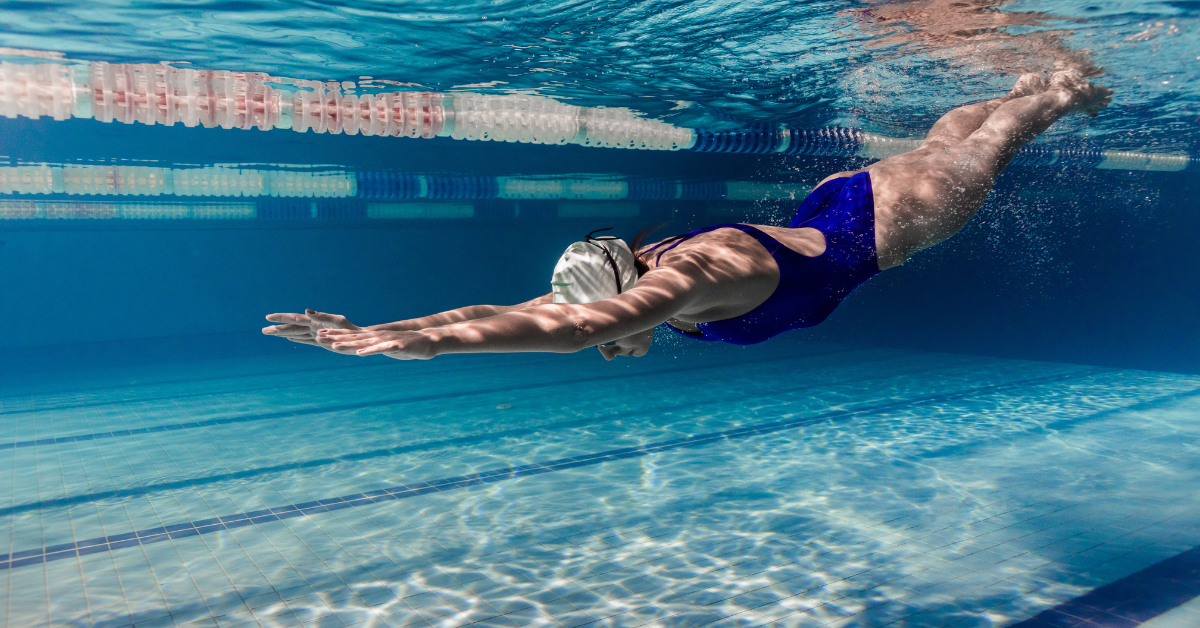
Best Swimming Strokes for Knee Pain

You may have read this previous article about the best forms of exercise for people with knee osteoarthritis. The forms we covered are stretching, walking, cycling, and one of the very best exercises for knee pain, swimming.

Today we are going to take a deeper look at the benefits of swimming.

Swimming is a low-impact cardiovascular form of exercise that has been shown to reduce joint pain and stiffness associated with osteoarthritis. Even more, it can also improve muscle strength and functional capacity in middle-aged and older adults with osteoarthritis-related knee issues.

We know swimming has been proven to be a beneficial form of exercise for people with osteoarthritis, however, when it comes to the type of stroke one does, some are very beneficial while others can be problematic and do more harm than good.

So let’s dive a little deeper and take a look at the main swimming strokes and their impact on the knees.

Front Crawl:

This stroke is not only the fastest most efficient swimming stroke, but it also happens to be one of the best for healing osteoarthritis pain. In order to get the full benefits of this stroke, it is important to make sure you are using the correct technique. There are plenty of online videos and tutorials to help you with this. It can also be beneficial to spend some time with a more experienced swimmer, coach, or teacher. They can help make any proper adjustments to make sure you are getting the most out of the stroke.

Backstroke:

This stroke is also one of the faster strokes and is great for stretching the shoulders and for exercising the knees. Just like the front crawl, swimming the backstrokes forces the leg to travel in a straight line, kicking from the hip. The lack of sideways movement means that both of these strokes are ideal for people with knee osteoarthritis.

Now for the strokes to avoid:

Butterfly:

The first one is the easiest to avoid because it is by far the most difficult to do. And that is the Butterfly.

Not only is the butterfly the most difficult stroke, but when it comes to people with osteoarthritis, this stroke can be downright harmful.

The problem is the type of kick that is part of the butterfly stroke. Oftentimes referred to as the “dolphin kick”, it requires that the feet and knees remain together, kicking up and down in unison. This motion, which helps propel the body out of the water while the arms rotate forward more often than not, can cause an increase in knee pain.

Breastroke:

The other stroke to avoid if you have knee issues is unfortunately one that most people tend to prefer the most, and that is breaststroke.

Swimming breaststroke puts excessive side-to-side and rotational forces on the joints and may be difficult to do if the joint is unstable. Not only is this kick difficult to do with knee pain, but it can be harmful and make knee issues worse.

The preferred direction of force is to keep the leg straight and bend the knee. This is why a kick, as done in front crawl and backstroke, is preferable for those with knee issues.

This isn’t to say that you absolutely can not do the breaststroke, but it is to say to proceed with caution, and when doing longer swimming sets, be sure to do the other strokes as well.

When done regularly and correctly, you should notice that your joints are likely to be much less stiff after a swim than when you entered the pool. This is especially true if you swim in warm water. When warm water and physical activity are combined, it can help increase blood flow throughout the body- which in turn, can help carry more nutrients and oxygen to all of the joints and lubricate them to move more fluidly.

So there you have it, swimming is a great way to help relieve the symptoms of osteoarthritis in the knees- however, when it comes to swimming with osteoarthritis, it’s important to remember that not all strokes are created equal. Sticking with the front crawl and backstroke is the best bet, and getting a little help to ensure proper technique can go a long way both in and out of the pool.

For more helpful tips on how to use swimming to reduce knee pain, you can check out this website.

Categories
Knee Osteoarthritis

Genicular Artery Embolization for Knee Pain

Here at MidAtlantic Vascular and Interventional, we are excited to offer a solution to osteoarthritic knee pain – called Genicular Artery Embolization.

Let’s look a little further into what GAE is, and what to expect before, during, and after the procedure.

GAE is a minimally invasive procedure that offers highly effective and long-lasting relief of the pain caused by osteoarthritis in the knee. Most of the pain of osteoarthritis is from inflammation caused by abnormal blood vessels that develop in the lining of the joint, known as the synovium. GAE is able to fix this issue by blocking these abnormal blood vessels, thus relieving inflammation and pain.

Genicular artery embolization is performed by our highly-skilled Interventional Radiologist, who will begin by inserting a small catheter into a needle-size puncture in the leg. Then, using x-ray technology and other imaging modalities, the doctor will guide the catheter into the blood vessel that supplies the joint. Next, tiny microsphere particles are slowly released through the catheter and into the artery which supplies blood flow to the abnormal vessels.

These particles create a blockage, and in doing so, reduce the inflammation and corresponding pain associated with knee osteoarthritis. , which slows blood flow to the joint, and thus reduces inflammation and pain.

Unlike the estimated 800,000 knee replacement surgeries performed each year in the US, GAE is a non-invasive outpatient procedure. The entire procedure usually takes around 2 hours to complete, and does not require general anesthesia but instead uses conscious sedation through an IV and a numbing anesthetic at the fold of the knee.

Given that there is no incision to heal or stitches to be removed, the risk of bleeding and other complications is much lower than with invasive surgery.  Even better, patients who undergo GAE have consistently reported a significant reduction in pain scores and in the use of pain medications. And- they also have reported a significant increase in flexibility, mobility, and overall functionality of the knee.

Not only is the recovery from GAE faster than the surgical methods of resolving osteoarthritis, but its improvements are experienced quickly. In fact, in most cases, relief begins to occur within two weeks.

As for the long-term effects of GAE,  data from clinical studies performed in the last 10 years has shown that GAE may provide lasting pain relief and functional improvement for some patients, however, initial results point toward durability of response between six and 24 months. Patients should work with their physician on the direction of their future treatment if any pain returns.  However, each case is different.

The bottom line is, GAE works. It really does.

So, instead of spending months recovering from invasive knee surgery, call us and see if GAE is right for you. And we can have you feeling better, walking better, and even looking better in no time.

Categories
Knee Osteoarthritis

Walking on Sand with Knee Issues?

Is it safe to walk on the beach with knee issues?

When you hear the phrase “long walks on the beach” it might sound a little bit like a corny dating app cliche. However, it’s more than a cliche, it’s beneficial.

Walking on sand requires more effort than walking on a hard surface such as concrete and as a result, burns more calories. This, of course, is a great way to burn off the calories from that extra hot dog, or cheeseburger with toppings galore.

However, for those of us with knee issues, the additional effort that it takes to walk on the sand sounds like it would just aggravate our knees and cause more knee pain. But does it?

The answer depends on the particular knee issue.

For example, for those of us with a knee injury, severe arthritis, or who are recovering from knee surgery, hip surgery, etc- walking on the beach is not a good idea. And, your best bet is definitely a comfy chair with a great book and plenty of sunscreens.

If you are suffering from a knee injury, walking on uneven and unpredictable sand, can actually create added stress and strain on your joints and hinder your recovery. This is especially true when it comes to the areas of softer sand. Why is this?

Well, simply put, when the foot sinks into the sand, the knees can become unstable, causing the muscles throughout your legs to work harder. This can be great for those of us without any knee issues, however, if you already have pain and swelling in your knee, this activity will only make things worse.

Maybe it’s obvious that walking on sand isn’t a great choice following knee surgery or injury. However, what about those of us with knees experiencing the normal wear and tear of aging?

Walking is one of the best ways to treat osteoarthritis pain and stiffness, but when it comes to walking on sand, it’s best to take some precautions.

For starters, it’s important to walk carefully when crossing softer sand until you reach the firmer sand located closer to the water. These spots tend to be flatter, which can help lessen any stress on the feet, knees, and hips.

Walking on the firmer sand near the water is a better choice than the soft sand, but it isn’t without its own risks. Beyond having to cross through soft uneven sand to get to the shorelines, at the shore there is usually a slight slope. This slope along the firm sand, can provide additional stress to the entire kinetic chain from the foot up to the knee, hip, and back. You may not notice it at the time you are walking, but increased symptoms of pain and swelling may follow.

So, the bottom line, when it comes to walking on the beach, with the normal wear and tear of aging, and the osteoarthritis that can accompany that – is taking special care.

The publication Arthritis Today stresses that it’s important to pay attention to the sandy beach terrain given its uneven nature, however, if you are taking these precautions and wearing the right footwear, you are usually good to go.

Wearing the right footwear…so does that mean we must wear shoes in order to take care of our knees?

Well, not necessarily.

According to The Arthritis Exercise Book , walking barefoot on warm sand exercises every muscle of the foot, and can have a massaging effect as well. It can also have a real grounding effect both mentally and emotionally, as each step connects with the earth. Some even use this as an opportunity to practice mindfulness meditation and really take in the beauty of the surroundings. However, for some, wearing supportive shoes or sandals with a supportive sole and back strap can be better.

When it comes to shoes or no shoes, a lot of it comes down to personal preference, and what feels good to you. For longer walks, wearing shoes is usually the better choice, as it can be taxing on the arches of the feet and more tiring to go barefoot the whole time.

However, for a casual stroll along the beach, looking for shells, taking in the sunshine, and enjoying the great outdoors, slipping off your shoes can have its benefits as well.

Walking on the beach, when done correctly and with caution, can be not only good for your muscles and joints, but it’s also good for your mind. So take extra caution, and if your knee issues are troublesome, speak with your doctor before your next beach day, just to play it safe.

Categories
Knee Osteoarthritis

The Wear and Tear of Aging

Ah yes, the wear and tear of aging. It’s happening to all of us, and it’s happening, to our knees.

Did you know that with every step, your knees typically absorb one and a half times your body weight?

You read that right.

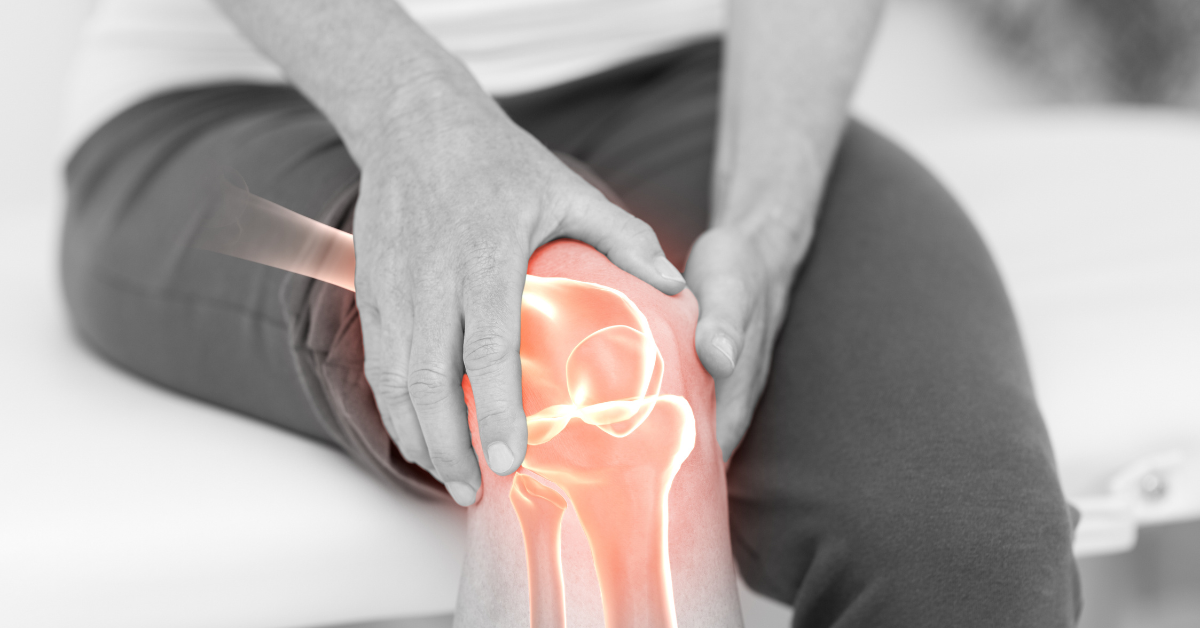
That pressure, plus the wear and tear of time, weakens the muscles and ligaments. And, on top of that, the pads of cartilage called the menisci, which serve as the knee’s two shock absorbers begin to deteriorate. As well as the articular cartilage, which is the cartilage that protects the ends of the leg bones where they meet at the knee.

It is estimated that 27 million Americans are affected by osteoarthritis.

According to the Center of Disease Control and Prevention, the biggest factors contributing to OA are:

  • Biomechanics – A previous injury or instability can affect the progression of osteoarthritis.
  • Weight- Being overweight puts added stress on the knee joints, causing pain and worsening OA damage.
  • Genetics – Osteoarthritis tends to run in families, although we don’t yet fully understand why.
  • Smoking – Research shows that smoking tobacco is linked to decreased joint health and slows down the healing process.
  • Other conditions – People who suffer from rheumatoid arthritis are more likely to develop osteoarthritis.

Though we can not stop the aging process, there are plenty of things we can do to help to slow down and minimize the symptoms and severity of osteoarthritis.

Osteoarthritis has been shown to respond well to exercises that help to maintain motion and improve strength.

OA can also respond well to:

  • Anti-inflammatory medications, such as aspirin or ibuprofen.
  • RICE therapy, which is Rest, Ice, Compression, and Elevation, can help reduce swelling and pain.
  • Physical therapy. Practicing strengthening exercises that can relieve the pressure on your knees.
  • Knee braces can take pressure off the arthritic area.
  • Cortisone injections. An occasional injection of this steroid may lessen the swelling and achy pain.
  • Lubricant injections. Can help the knee move more smoothly if the arthritis isn’t too severe.
  • Genicular artery embolization. This minimally invasive procedure alleviates knee pain by targeting inflammation.

The impact of time on the wear and tear of the knees may be to some degree inevitable, but that’s not to say it isn’t treatable.

To learn more about decreasing pain and increasing mobility with treatment options such as GAE, check out this previous article or please call our office to set up a consultation today.