
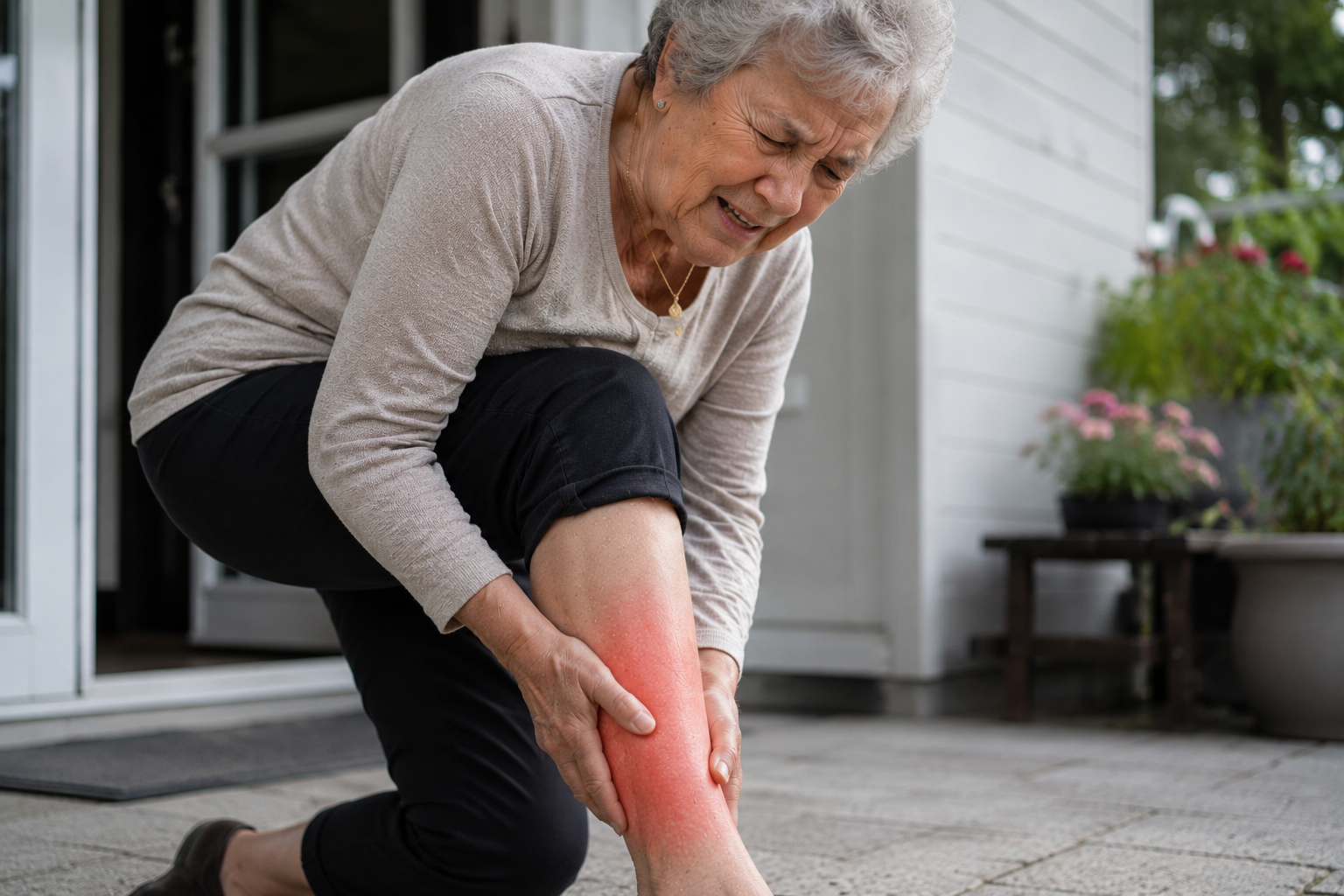
Leg pain while walking? It may be more than muscle fatigue.
Peripheral artery disease (PAD) is a condition caused by narrowing or blockage of the arteries that supply blood to the legs, most commonly due to atherosclerosis. Reduced blood flow can lead to leg pain, cramping with walking, numbness, weakness, slow-healing wounds, or changes in skin color and temperature.
Services we offer:
PAD (Peripheral Artery Disease): Restoring Blood Flow Without Open Surgery
Peripheral artery disease, or PAD, occurs when plaque narrows or blocks the arteries supplying the legs and feet. Reduced circulation may cause leg pain or cramping while walking, weakness, coldness, skin discoloration, pain at rest, or wounds that are slow to heal.
Dr. Rishi R. Sood provides comprehensive evaluation and minimally invasive treatment for PAD. Every treatment plan is individualized and may include medication, cardiovascular risk-factor management, structured exercise, and—in appropriately selected patients—endovascular revascularization.
Using live imaging and small catheters, Dr. Sood can treat narrowed or blocked arteries with techniques such as:
- Balloon angioplasty
- Atherectomy
- Stent placement when necessary
- Intravascular ultrasound
- Pedal-access revascularization
Dr. Sood frequently performs these procedures through a small artery near the foot or ankle. Since 2023, he has completed more than 2,200 transpedal endovascular procedures. This approach avoids a groin incision and may provide direct access to difficult blockages in the lower leg.
Potential Advantages of Minimally Invasive PAD Treatment
- No large surgical incision
- Small arterial access site
- Targeted treatment of blocked arteries
- Improved circulation to the leg and foot
- Potential improvement in walking and quality of life
- Support for wound healing and limb preservation
- Outpatient treatment for appropriately selected patients
- Same-day discharge in many cases
Not every patient with PAD requires a procedure. Revascularization is generally considered when symptoms continue to limit daily activities despite appropriate medical therapy and exercise, or when poor circulation causes rest pain, nonhealing wounds, or threatened limb loss.
Sudden severe leg pain, a cold or pale foot, new numbness or weakness, or rapidly worsening discoloration requires immediate emergency evaluation.
Individual results, recovery, and treatment recommendations vary according to disease severity, anatomy, and overall medical condition.